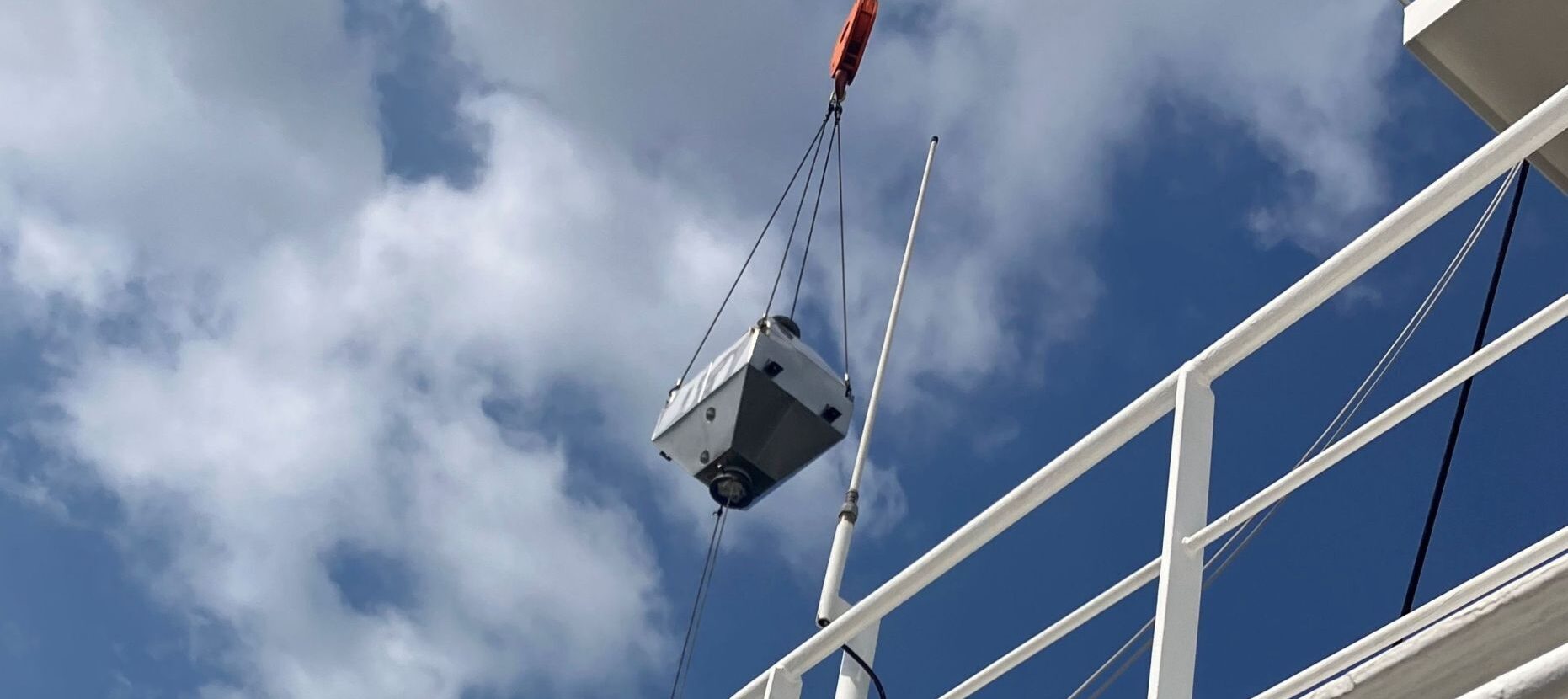
The GREEN RAY project has reached an important milestone: the Methane Abatement Catalyst (MAC) system has been installed on a Shell-owned and operated LNG bunkering vessel, marking the start of a year-long marine trial.
Developed by Shell and Wärtsilä, the MAC system is an exhaust after-treatment technology designed to significantly reduce methane slip – the release of unburned methane from LNG-powered engines.
Why Methane Abatement Matters
Liquefied natural gas (LNG) is widely seen as a transitional fuel for maritime decarbonisation, but methane slip remains a major challenge. Methane (CH₄) is a powerful greenhouse gas, meaning even small emissions can have a significant climate impact. This challenge is further intensified by the expansion of the EU Emissions Trading System (EU ETS) to include methane and nitrous oxide as well as CO₂ from January 2026.
The MAC system tackles this problem by converting unburned methane in the exhaust stream into CO₂, significantly lowering the climate footprint of LNG-powered vessels. The Intergovernmental Panel on Climate Change (IPCC) estimates methane’s global warming potential is 30 times greater than CO2 over 100 years and more than 80 times greater over 20 years.
Now operating under real maritime conditions, the trial will generate crucial operational data and help assess the system’s readiness for commercial deployment across the shipping industry.
How the MAC System Works
The MAC system combines two catalytic components working together:
- Sulphur Guard Bed (SGB) protects the system by removing sulphur compounds from exhaust gases, which would otherwise deactivate the MOC catalyst.
- Methane Oxidation Catalyst (MOC) converts unburned methane into CO₂ under controlled temperature conditions.
Laboratory tests have already shown methane conversion efficiencies above 95% within optimal temperature ranges – results that will now be tested under real-world commercial operating conditions.
From Laboratory to Engine Testing
The onboard trial builds on several years of development within GREEN RAY.
Key development stages included:
- Catalyst development and durability testing to ensure performance under demanding engine conditions
- Scaling up catalyst production for full-scale marine deployment
- System engineering and integration, using advanced modelling and exhaust flow analysis
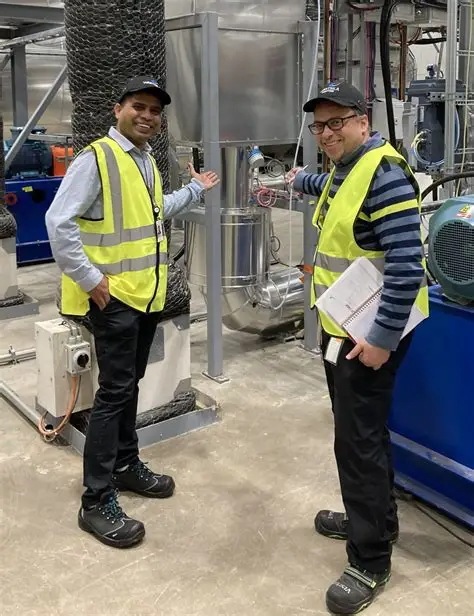
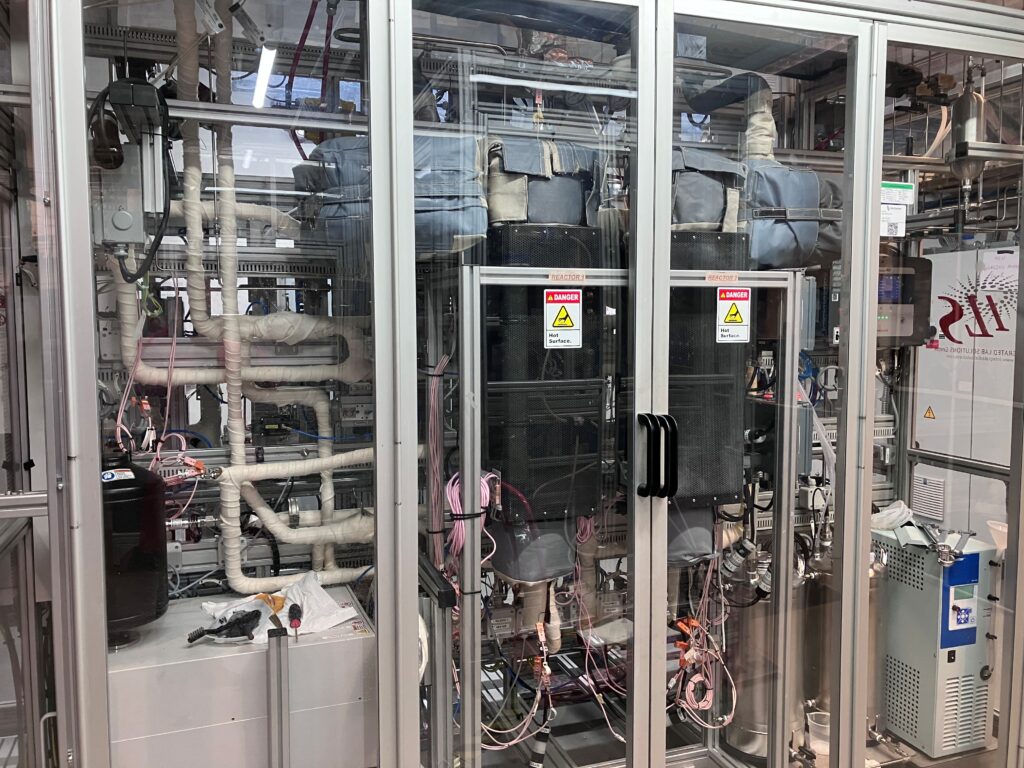
- Engine laboratory testing at Wärtsilä’s Sustainable Technology Hub in Vaasa, Finland, where over 167 hours of testing validated methane conversion performance across different operating conditions
These steps helped refine the system before its deployment at sea.
Now at Sea: Real-World Validation
With the MAC system now installed onboard, the trial will focus on validating the technology under real operating conditions. Over the next year, the trial will measure sustained methane conversion performance, assess catalyst durability during extended operation, and evaluate the effectiveness of the sulphur protection system. It will also generate operational data to support future commercial deployment and contribute to certification and regulatory approval processes.
Looking Ahead
The MAC trial combines advanced catalytic technology, marine engineering expertise and real‑world testing. If it is proven to deliver credible methane‑reduction performance in real operating conditions, it will strengthen the case for LNG as a lower‑carbon marine fuel.
As the year-long trial progresses, the results will help determine how methane abatement solutions can be implemented at scale, supporting the maritime sector’s decarbonisation journey.